
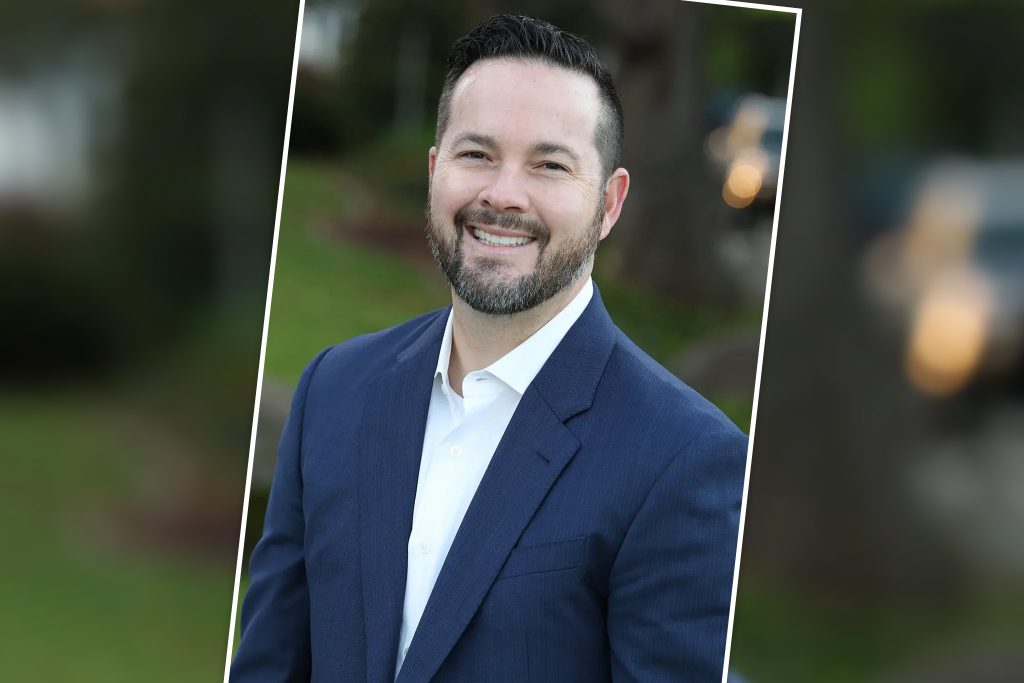
A Conversation with Dr. Joseph Field, Peninsula Center of Cosmetic Dentistry
At Nightingale Nursing & Rehab, we care for individuals during some of life’s most important transitions—after surgery, illness, or injury, when healing, strength, and dignity matter most. While rehabilitation is often thought of in terms of physical therapy, nursing care, and medical oversight, there is one critical element of recovery that is frequently overlooked: oral health.
To better understand the role dental health plays in successful rehabilitation and long-term wellness, we sat down with Dr. Joseph Field, founder of Peninsula Center of Cosmetic Dentistry and one of the Bay Area’s leading cosmetic and implant dentists. Dr. Field is widely recognized for his expertise in restoring both function and aesthetics, particularly for patients later in life.
What follows is our conversation on why the mouth–body connection matters more than many people realize—especially during recovery.
Dr. Field: It’s understandable that dental health gets overlooked, but the mouth is the gateway to the body. Oral health directly impacts nutrition, inflammation levels, immune response, and even respiratory health. During recovery or rehabilitation, patients need every system in the body working together efficiently. If someone is dealing with dental pain, infection, or poor chewing ability, it can slow healing and complicate the entire recovery process.
Dr. Field: Nutrition is foundational to healing. If a patient can’t chew properly because of missing teeth, ill-fitting dentures, or dental pain, they often avoid protein-rich or fibrous foods that are essential for muscle repair and energy. Instead, they may rely on softer, processed foods that don’t provide adequate nutrition. Over time, this can impact strength, immune function, and even participation in physical therapy.
Dr. Field: Absolutely. Oral infections don’t stay isolated in the mouth. Bacteria can enter the bloodstream and contribute to systemic inflammation, which is particularly risky for individuals recovering from surgery or managing chronic conditions. There’s also a known link between poor oral health and aspiration pneumonia—especially in older adults—when bacteria from the mouth are inhaled into the lungs. Addressing dental health proactively can significantly reduce these risks.
Dr. Field: Dental implants and properly restored teeth provide stability. They allow patients to chew comfortably, speak clearly, and maintain facial structure. That stability plays a psychological role as well. When patients feel comfortable eating, speaking, and smiling, they’re more likely to engage socially and emotionally during rehab, which can positively influence outcomes.
Dr. Field: Recovery is a vulnerable time. When someone already feels physically compromised, dental discomfort or embarrassment about their smile can compound feelings of frustration or withdrawal. I’ve seen patients become more motivated and engaged in their rehabilitation once dental issues are addressed. Feeling “put together,” even in small ways, can restore a sense of control and dignity.
Dr. Field: Planning ahead is one of the greatest gifts someone can give themselves. Preventive dental care, addressing failing teeth early, and considering long-term solutions like implants can make future medical or rehab experiences much smoother. When dental foundations are solid, patients can focus on healing rather than managing avoidable complications.
Dr. Field: I think interdisciplinary collaboration is the future of senior care. Dentistry shouldn’t exist in a silo. Practices like Nightingale Nursing & Rehab understand that recovery is holistic. When dental providers, medical teams, and rehab professionals communicate and align, patients receive better, safer, and more compassionate care.
Dr. Field: Don’t underestimate the importance of the mouth in overall health. Oral health isn’t a luxury—it’s a vital part of aging well. Whether someone is preparing for surgery, entering rehabilitation, or simply planning ahead, investing in dental health supports strength, confidence, and quality of life at every stage.
At Nightingale Nursing & Rehab, we believe recovery is about more than regaining mobility—it’s about restoring independence, confidence, and comfort. As Dr. Field’s insights highlight, dental health plays a critical role in that journey, reminding us that true healing happens when care is comprehensive and thoughtfully connected.
Contact the Nightingale team to learn more or schedule a tour of our facility here in Erie, PA.
